The Technological Illusion and the Behavioral Truth
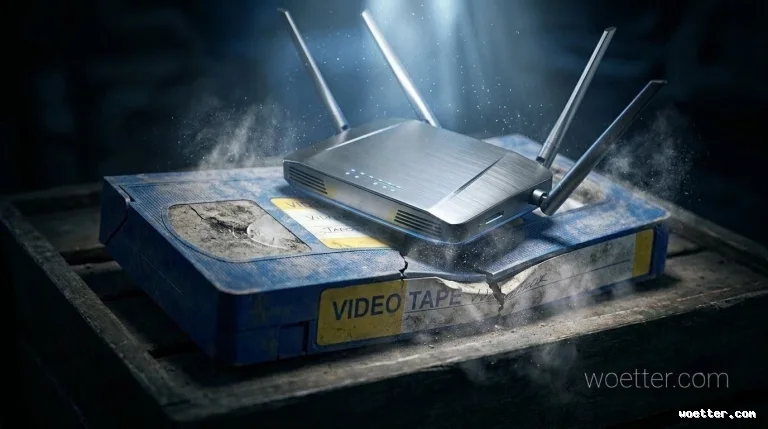
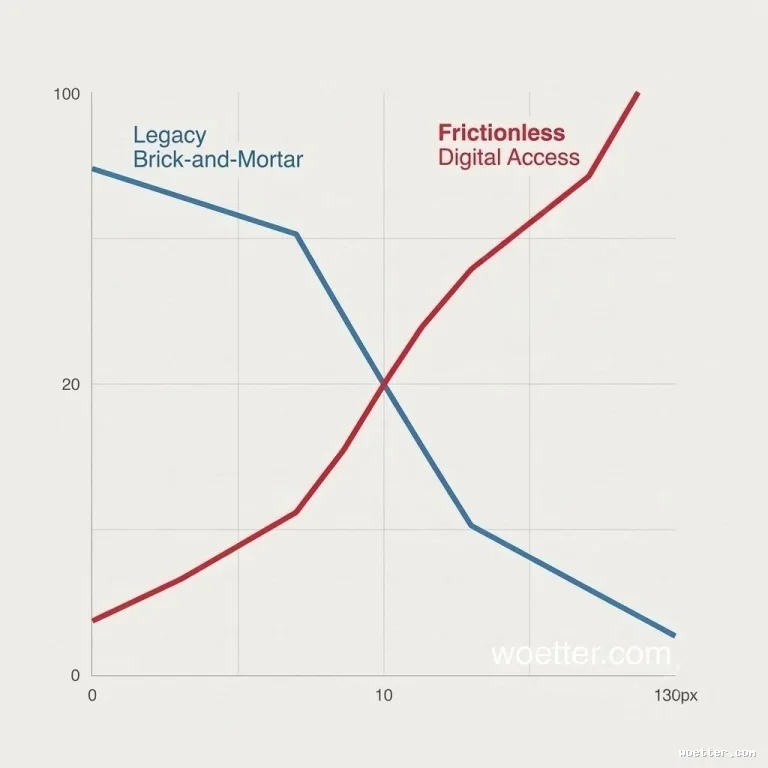
Popular consensus frequently attributes the fall of Blockbuster and the rise of Netflix purely to the broadband revolution. This is a superficial analysis. As Business Architects, we must look beyond technology to understand the psychological drivers of Disruptive Innovation. Technology was merely the vector; the true weapon of corporate mass destruction was the radical elimination of Friction Cost.
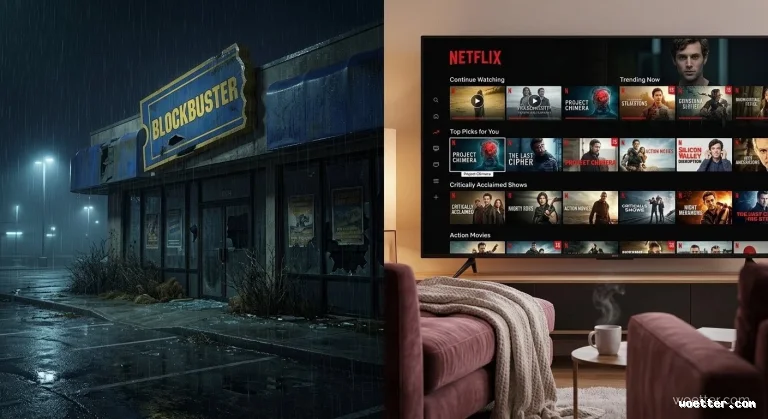
Blockbuster did not go bankrupt because it rented physical video tapes or DVDs. It collapsed because its Business Model was intrinsically reliant on friction, punishment, and the physical effort of the consumer. Netflix built its Competitive Advantage by inverting this polarity, transforming the consumption experience into an uninterrupted flow of convenience.
The Punishment-Based Revenue Model
To comprehend the Status Quo Bias that blinded Blockbuster's executives, we must analyze their financial engine. At its peak, a colossal percentage of Blockbuster's revenue was derived from Late Fees. The company profited directly from the behavioral flaws and memory lapses of its own customers.
This is a hostile business model. It generates Customer Hostility and destroys long-term brand equity. The effort demanded of the customer was immense: drive to the store, hope the new release was available on the shelf, wait in lines, drive back home, watch within the stipulated timeframe, and, most painfully, remember to make the return trip just to hand the item back. Every single one of these steps is a massive point of friction.
Netflix's Deconstruction of Friction
When Reed Hastings and Marc Randolph founded Netflix, the initial Disruptive Innovation was not streaming, but the flawless logistics of delivering DVDs by mail for a flat monthly subscription fee.
The strategic masterstroke: No late fees. No deadlines. No trips to the store.
They removed the anxiety associated with renting. From the perspective of behavioral economics, they eliminated the Loss Aversion that customers felt when paying penalties. By adopting the subscription model, Netflix leveraged the Sunk Cost Fallacy in favor of the consumer: "I have already paid this month's subscription, therefore I must use the service as much as possible to justify the cost."
The Transition to Streaming: Absolute Zero Friction
When broadband technology matured, Netflix executed the most lethal corporate pivot in recent history. The transition from DVD to streaming reduced the time between consumption desire and gratification to mere seconds. This is the definitive metric of Competitive Advantage: the brutal minimization of Time to Value.
The interface was designed with predictive recommendation algorithms not just to be smart, but to reduce the cognitive load of choosing (combating the Paradox of Choice). The Autoplay feature (automatically playing the next episode) is the most aggressive example of friction removal in the history of product design. It transforms user inertia (the act of doing nothing) into the decision to continue consuming the product.
Lessons for the Modern Business Architect
Blockbuster's lethargy is a textbook case of the Innovator's Dilemma. They were trapped by the Sunk Costs of their thousands of physical retail locations. Altering the Business Model meant cannibalizing their own late-fee revenue. Analytical paralysis destroyed them.
If you operate a business model today, whether it is a B2B SaaS (Software as a Service) or a local e-commerce platform, the central question is not "What else can we offer?" but "What can we remove?". Where is your customer being punished for doing business with you? Where is the friction hidden in your Compliance policies or Onboarding processes?
Sustainable Competitive Advantage in the 21st century belongs to the maniacs of friction removal. If your process is difficult, you are merely warming up the market for the competitor who will do the exact same thing with one less click.
Recommended Reading
"No Rules Rules: Netflix and the Culture of Reinvention" by Reed Hastings and Erin Meyer. A deep dive into the high-performance corporate culture and the elimination of bureaucracy that allowed Netflix to pivot its business model and revolutionize global entertainment.
Your company has processes similar to Blockbuster's and you haven't even noticed. You are levying the invisible tax of friction. Stop losing market share to more agile competitors. Subscribe to our newsletter and gain access to strategic analyses that redefine business models.