The Psychological Triggers of Christmas Consumption
Christmas is considered retail’s “perfect storm” due to a combination of three behavioral economics principles:
Key Mechanisms:
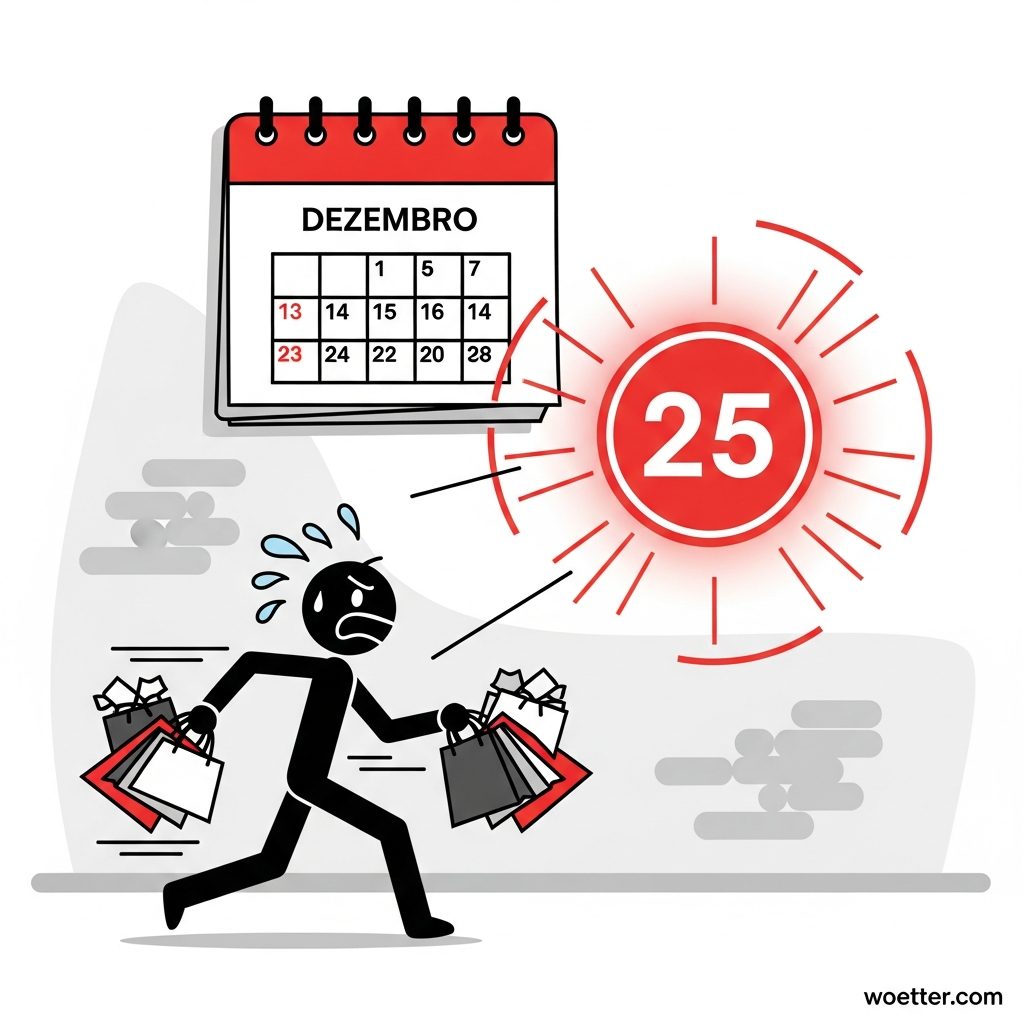
- Temporal Scarcity (Hard Deadline): December 25th acts as a non-negotiable deadline, creating urgency that deactivates rational price searching.
- Reciprocity (Cialdini): The social pressure to return gifts generates a “social contract” where failing to buy is seen as a breach of hierarchy or affection.
- Anesthesia of the Pain of Paying: The emotional “Halo Effect” (nostalgia, music, lights) diminishes the negative perception of spending (Pain of Paying), transforming the purchase into an act of love.

Have you ever stopped to think why December 25th is capable of moving the global economy all by itself?
It’s not just “tradition.” It is applied neuroscience.
For a strategist, Christmas isn’t just a holiday; it’s the biggest Behavioral Economics lesson of the year. Retail uses a triad of triggers that, when combined, make it almost impossible for the human brain to say “no.”
Let’s dissect what happened to your wallet this month.
1. The “Hard Deadline” (The Death of Procrastination)
Humans are natural procrastinators. If you need to buy a new TV, you can put it off for months waiting for the price to drop.
At Christmas, that doesn’t exist.
The 25th is a Hard Deadline.
The party will happen. You will see people. If you don’t have the gift in hand, the social consequence is immediate.
When we have a strict, short deadline, our brain shuts down the area responsible for logical cost-benefit analysis and switches on the problem-solving area.
- In November: “$50.00 for this chocolate? What a rip-off.”
- Dec 24th at 6 PM: “$80.00? Give me two, please.”
Urgency kills price sensitivity.
2. The Debt of Reciprocity (Cialdini)
Robert Cialdini, author of Influence, explains that Reciprocity is the most powerful social norm there is. Humans hate being in debt.
Christmas isn’t about generosity; it’s about balancing social accounts.
The panic of “what if he gives me a gift and I have nothing?” is a sales driver stronger than any Black Friday.
We buy not for the pleasure of giving, but out of fear of breaking the social contract. Brands know this and sell “emergency kits” (those boxes of soap or wine) just so you can arm yourself against this debt.
3. The Anesthesia of the “Pain of Paying”
Every time you spend money, the insula in your brain (an area linked to physical pain) is activated. Spending hurts.
But Christmas uses the “Halo Effect.”
The lights, the nostalgic music (Jingle Bells), the smell of pine… all of this creates a positive sensory overload that acts like morphine.
The emotional context “anesthetizes” the pain of paying.
You aren’t “spending $200.” You are “investing in the magic of your children’s Christmas.” The rational leaves the room, and the emotional takes over the credit card.
The Lesson for 2026
The brands that win at Christmas don’t sell products.
Nobody needs another pair of socks.
The brands that win sell relief. Relief from the deadline, relief from social obligation, relief from guilt.
Coca-Cola doesn’t sell soda in December; it sells “family union.” Hallmark doesn’t sell cards; it sells “tradition.”
If you want to sell more all year round, stop selling the item and start selling the Ritual.
Merry Christmas and take care of your brain (and your pocket).
Want to master these triggers to use (ethically) in 2026? Download our quick guide. (available just for the newsletter’s subscribers)