Case Study Summary: Coca-Cola and Santa Claus
In the 1930s, Coca-Cola faced a severe seasonality problem: sales plummeted in winter. To solve this, the brand executed one of the most successful branding strategies in history.
The Ritualization Strategy:
- The Problem: Soda was seen as a summer drink.
- The Solution: Associate the brand with the ultimate icon of winter (Santa Claus) to insert the product into the family ritual.
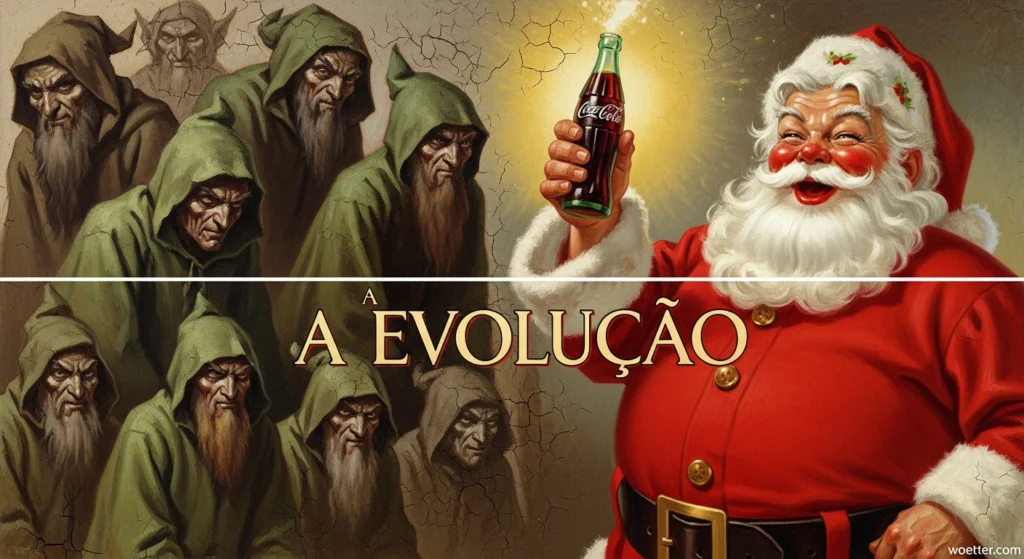
- The Execution: In 1931, Coca-Cola hired Haddon Sundblom to redesign Santa. He created the “chubby, human, and red & white dressed” version (brand colors) that became the global standard, replacing previous versions (elves, bishops, green clothes).
Imagine you sell a product that only works in the heat (cold carbonated water and sugar).
Winter comes, it snows outside, and your sales drop 60%.
What do you do?
Most companies would try to “educate the consumer” or run price promotions.
Coca-Cola, in the 1930s, did something bolder: they decided to own the most important holiday of the winter.
The Problem: “Who drinks ice in the cold?”
Until 1931, Coca-Cola was a summer drink. Period.
In winter, factories stopped. The strategic challenge was brutal: how to convince a family to open a cold bottle when it’s 15°F outside?
The answer wasn’t in the product (functional). It was in the emotion (symbolic).
They needed to associate Coca-Cola not with “refreshment” (summer attribute), but with “family happiness” (Christmas attribute).
The Solution: Redesigning the Boss
They looked at the symbol of Christmas: St. Nicholas.
The problem is that, at the time, Santa didn’t have a fixed “visual identity.”
Sometimes he was a skinny elf. Sometimes he wore green or brown clothes. Sometimes he looked like a serious and scary bishop.
Coca-Cola hired illustrator Haddon Sundblom with a clear brief: “We want a Santa who is human, warm, everyone’s grandfather… and who, conveniently, wears our brand colors.”
Sundblom painted the Santa we know today:
- Rosy cheeks (health/joy).
- Big belly (abundance).
- Red and White Clothes (Coke Branding).
- And, in his hand, a bottle of Coca-Cola.
The Result: Creating the Ritual
For 35 years, Coca-Cola bombarded this image in magazines, billboards, and stores.
The image was so powerful that the world forgot the other versions. Santa became the Coke Santa.
They achieved the impossible: inserted a summer product into the winter ritual.
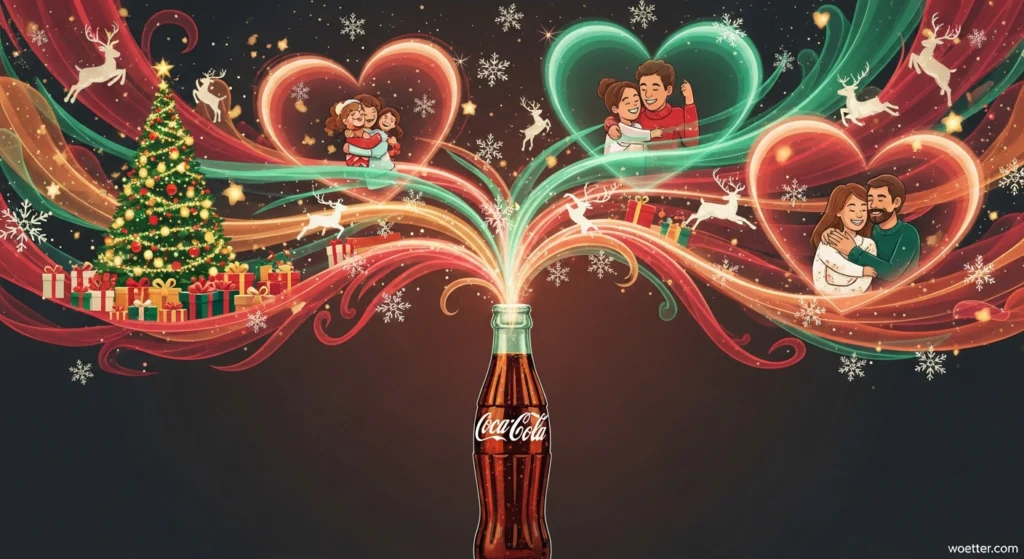
People stopped buying “soda” and started buying “bottled Christmas spirit.”
Eduardo Wöetter’s Analysis
Coca-Cola didn’t invent Santa Claus (St. Nicholas already existed). But it invented the visual narrative we consume today.
This teaches us the most valuable lesson in branding: Products solve functional problems. Brands solve emotional problems.
If you sell a seasonal product, stop fighting the calendar. Find a ritual where you can insert yourself.
- Sell ice cream in winter? Sell “movie with a blanket and ice cream on the couch.”
- Sell gym memberships in December? Sell “preparation to start the new year flying.”
Don’t sell the thing. Sell the moment.
The year is ending. Do you know what rituals your brand will create in 2026? (available just for the newsletter’s subscribers)