Case Study Summary: Kodak vs. Magazine Luiza
This comparison analyzes how two giants dealt with technological disruption using the “Keep, Kill, Double” framework.
Key Strategic Differences:
Magazine Luiza (The Double Success): Under the leadership of Fred Trajano, the traditional Brazilian retailer decided to “kill” the pure brick-and-mortar mindset and double down on digitalization and marketplace, transforming its stores into logistics hubs and creating a valuable ecosystem.
Kodak (The Keep Mistake): Even though they invented the digital camera in 1975, the board hid the technology to protect photographic film sales (their “cash cow”), leading to bankruptcy in 2012.
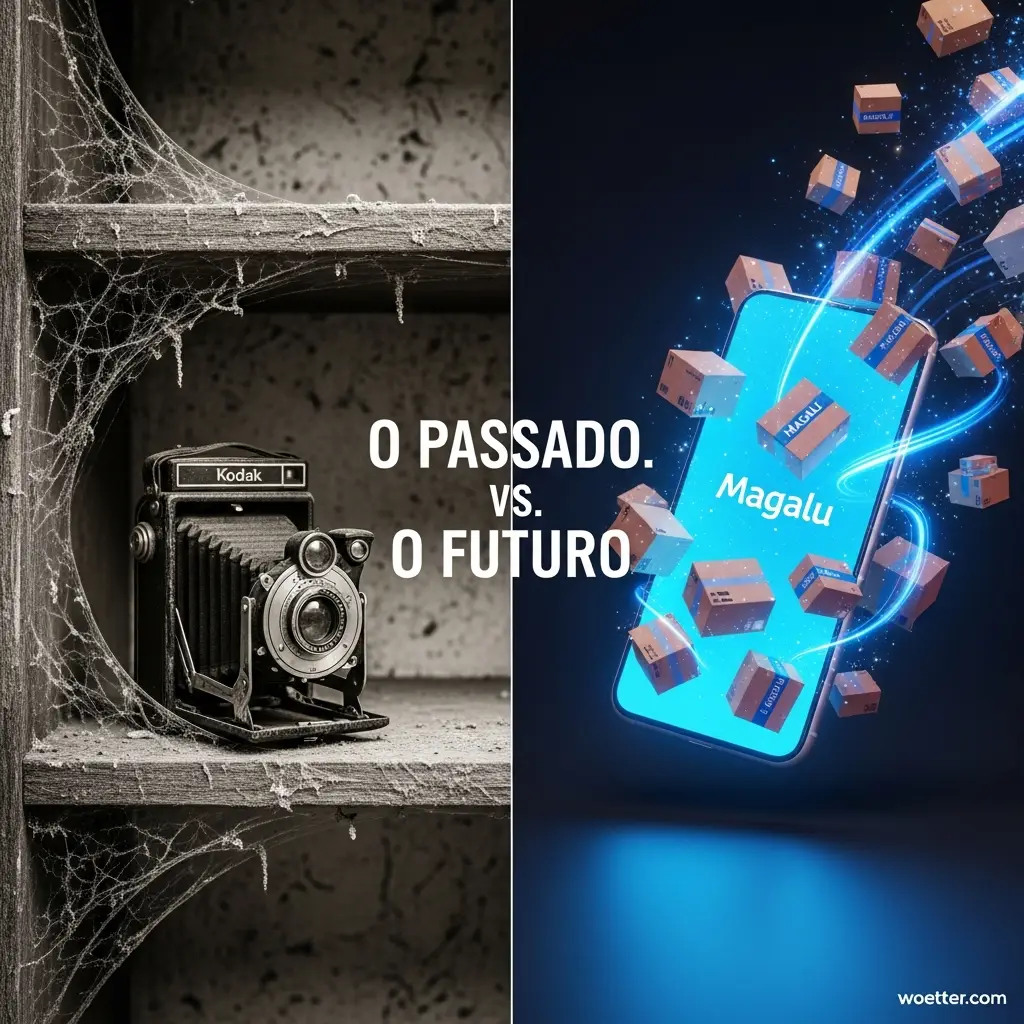
In 1975, a Kodak engineer named Steven Sasson invented the world’s first digital camera. He rushed to show his bosses. The board’s response?
“That’s cute, but don’t tell anyone. That will kill our film business.”
They hid the future in a drawer to protect the past.
Result: Kodak, which was worth $30 billion, filed for bankruptcy in 2012.
Cut to Brazil, 2015.
Magazine Luiza (Magalu) was a traditional retailer from the interior. The famous “Aunt Luiza’s store.” They could have done the same as Kodak: protected the physical stores and ignored the internet.
Instead, they did the unthinkable: they decided to become a technology company.
Let’s analyze this “Corporate Christmas Carol” using our framework from Tuesday: Keep, Kill, Double.
1. KODAK: The Fatal Mistake of “Keep”
Kodak committed the cardinal sin of strategy: the fear of Cannibalization.
They thought: “If we launch the digital camera, no one will buy our film (which has a high profit margin).”
They opted for KEEP.
They kept the “Zombie Project” (Film) alive at all costs. They thought they could dictate the speed of innovation.
The problem is, if you don’t cannibalize your own product, the competitor will. Sony, Canon, and then the iPhone showed no mercy. They ate Kodak’s lunch.
The Lesson: Protecting your “cash cow” (the product that makes money today) at the expense of innovation is slow suicide.
2. MAGALU: The Courage of “Kill” and “Double”
Magalu was in a similar position. Selling refrigerators in physical stores made money.
But Fred Trajano (CEO) saw Amazon coming. He knew the old model was doomed.
They applied KILL to the old mindset:
- They killed the idea that “website and store are rivals.” They integrated everything.
- They killed bureaucracy by creating LuizaLabs (an agile tech team inside the company).
And they applied DOUBLE to the digital bet:
- They transformed the virtual salesperson into Lu do Magalu (today the biggest virtual influencer in the world).
- They transformed physical stores into “mini distribution centers” (ship-from-store).
While competitors died hugging the counter, Magalu used the counter as a springboard. They weren’t afraid the website would steal sales from the store. They just wanted the customer to buy, period.
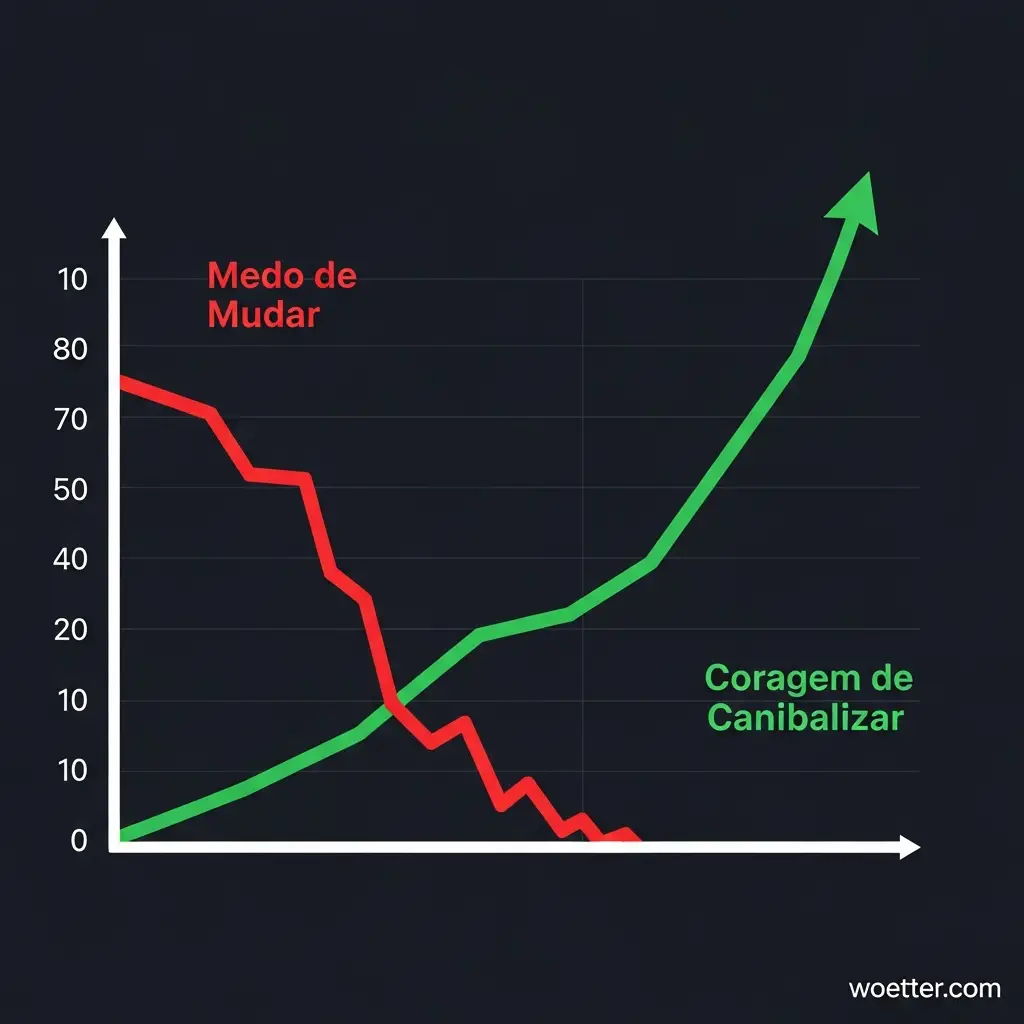
Eduardo Wöetter’s Analysis
The fear of change is actually the fear of losing what you already have.
Kodak looked at digital and saw a threat to its film empire.
Magalu looked at digital and saw the salvation of its retail empire.
For your 2026 planning, ask yourself:
What is the “Photographic Film” of my business?
What am I protecting just because “it’s always been this way,” but the market is already killing?
Have Magalu’s courage. It is better for you to kill your old product yourself and launch the new one, than to wait for the “Apple” of your niche to do it for you.
Already know what you need to ‘Kill’ in 2026 to avoid becoming the next Kodak? Use our spreadsheet (available just for the newsletter’s subscribers)